

Your nervous system has one request
Give it predictability, and watch your brain perform like it was built to

Hey Kwik Brain,
In today’s newsletter, you’ll learn why your busiest weeks leave you more drained than your hardest ones, what cortisol actually does when your brain can’t predict what’s next, and a three-part routine structure that corporate high-performers are using to stay sharp without burning out.
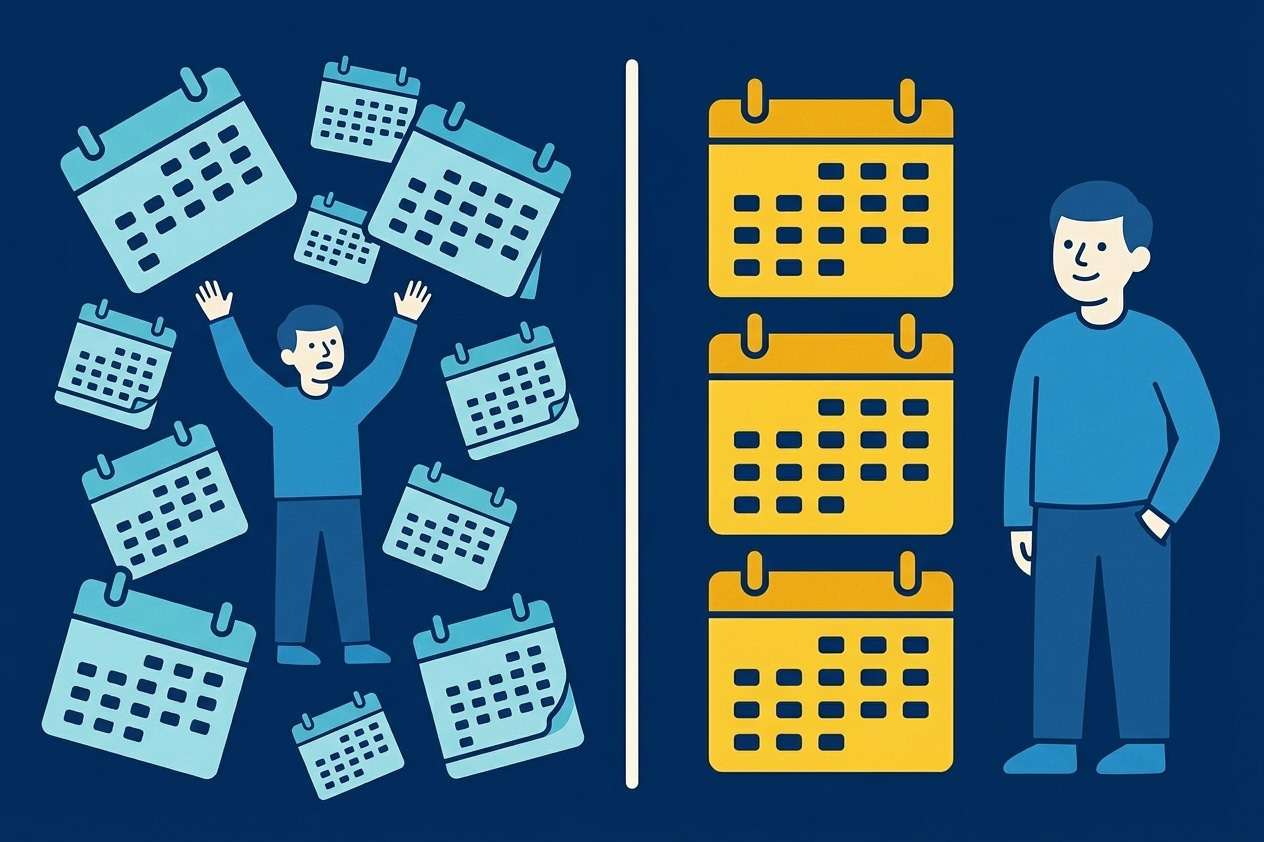
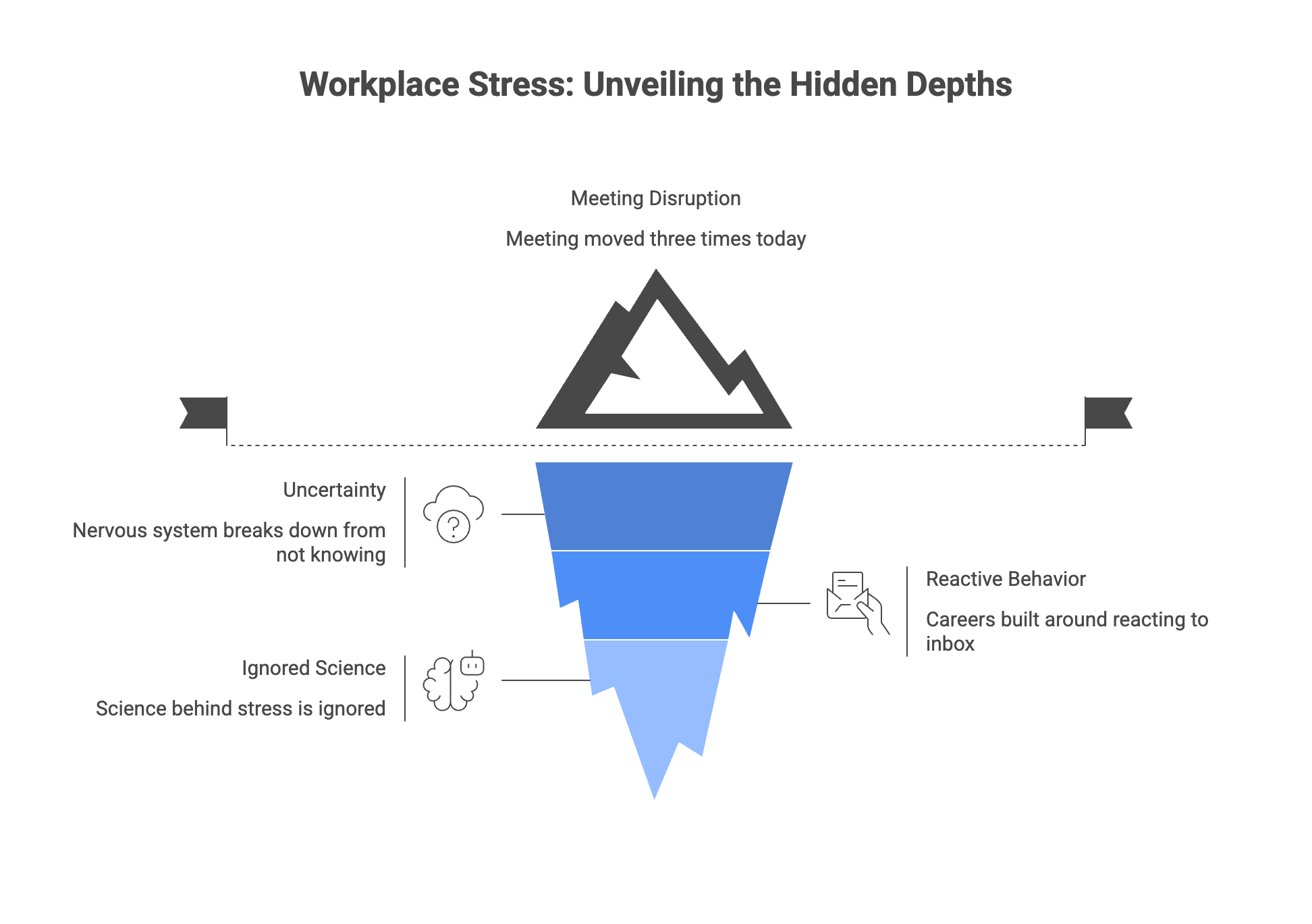
Here’s the uncomfortable truth about stress at work: the meeting that got moved three times today hurt your brain more than the meeting itself.
Your nervous system doesn’t break down from effort. It breaks down from not knowing what’s coming. And most professionals have built careers around reacting to whatever lands in their inbox next, which means their stress response never fully switches off.
The science behind this is clear, actionable, and almost entirely ignored in workplace performance conversations. Let’s fix that.
What actually triggers your stress response
Most people assume stress comes from working too hard. It doesn’t.
Stress physiology research identifies two specific triggers that fire up your HPA axis (the brain-body stress highway) harder than anything else: uncontrollability and unpredictability. Not effort. Not long hours. Not difficult problems.
Think about that for a second. A 12-hour day with a clear plan and defined outcomes is less stressful to your nervous system than a 6-hour day where three priorities shift, a meeting disappears from your calendar, and your manager sends a vague Slack message at 4pm.
Occupational health studies back this up. Ambiguous job expectations and unclear timelines predict more anxiety and burnout than simply having a heavy workload with transparent rules. Your team members who seem “burned out” might not need less work. They might need more structure.
What cortisol does when your brain can’t see the next step
Here’s where it gets biological.
When a stressor hits, cortisol spikes. That’s normal, healthy even. Short bursts of cortisol sharpen focus and speed up reaction time. The problem starts when the stressor stays uncertain or feels uncontrollable, because cortisol doesn’t come back down. It stays elevated. And elevated cortisol starts eating into the hippocampus and prefrontal cortex, the exact brain regions you need for memory, decision-making, and emotional regulation.
Sustained stress beyond roughly 15 to 60 minutes keeps cortisol high, alters neural processing, and is linked to anxiety, sleep disruption, and cardiometabolic risk. That’s not a wellness blogger’s opinion. That’s a 2023 endocrine review.
Your brain quite literally can’t think straight when it’s stuck scanning for the next unknown.
Your nervous system is already listening for safety cues
This is where things get interesting. Stephen Porges’ Polyvagal Theory proposes that your autonomic nervous system constantly performs what he calls “neuroception,” a non-conscious scan for signals of safety or danger. When it detects safety cues (predictable environments, familiar sequences, reliable social connections), your system shifts into a calm, socially engaged state. When it detects threat or ambiguity, it shifts toward fight-flight or shutdown.
Recent neurophysiology research, including optogenetic studies activating specific vagal neurons, has started to map the distinct circuits involved in these shifts.
A fair caveat here: multiple scholars argue that some of Polyvagal Theory’s evolutionary and anatomical claims run ahead of current evidence. Critical reviews describe polyvagal-informed interventions as “scientifically questionable but clinically useful,” meaning the safety-oriented practices work in practice even if the precise vagal-hierarchy story isn’t fully settled.
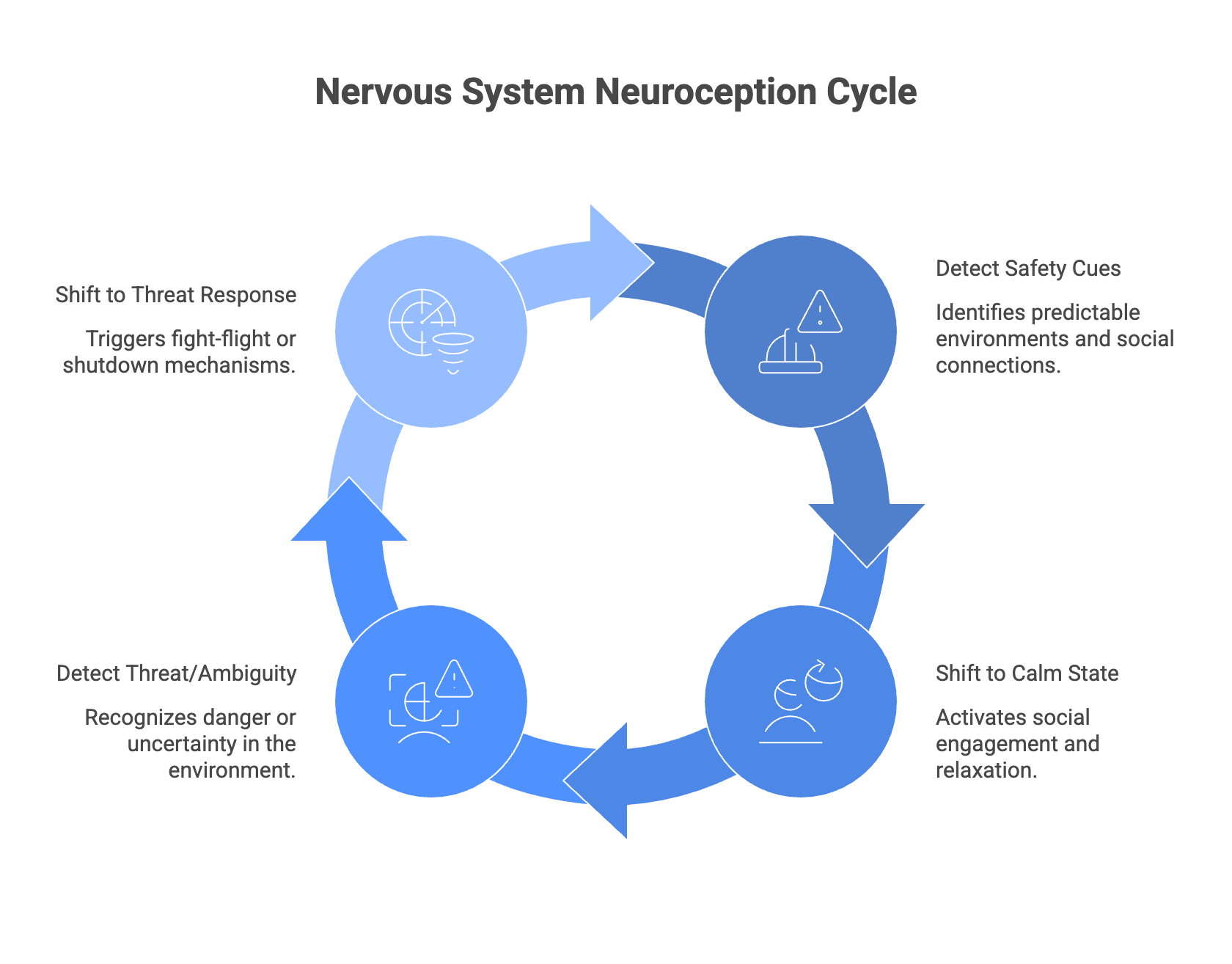
The takeaway still holds: your nervous system is constantly reading your environment for predictability. And you can design your day to give it what it needs.
Rituals aren’t soft skills, they’re neurological tools
A 2022 pre-registered experiment induced anxiety in 268 participants, then assigned them to either a ritualized sequence, a control activity, or nothing. The ritualized group showed reduced self-reported and physiological anxiety, with the strongest effects in people who were most anxious to begin with.
The researchers note that lab-created rituals are brief and novel. Real-life rituals, repeated over months and years, build much stronger priors in the brain. That morning coffee sequence you do before opening your laptop? The three minutes of planning before your first meeting? Those aren’t habits. They’re safety signals your nervous system has learned to trust.
When routines break, your brain pays the price
A 2025 study titled “When Routines Break” found that people with less consistent daily routines show higher anxiety and depression, and that routine disruptions predict more persistent symptoms over time.
Separate research during major life disruptions found that broken routines were associated with higher odds of ongoing anxiety and depression, partly because disruption eroded coping resources like sense of mastery and social support.
Psychiatrists and stress researchers now argue that maintaining predictable daily rhythms, sleep windows, meal times, work blocks, social contact, is a basic resilience factor. Not a luxury. Not a preference. A biological necessity.
Stress also rewires how you make decisions
This matters for anyone leading a team or managing a budget. A 2020 experiment measuring cortisol found that stressed participants changed how they evaluated uncertain outcomes, with cortisol increases associated with choosing more variable but riskier options.
A 2022 systematic review of stress, cortisol, and decision-making confirmed that acute stress reliably changes how people process uncertainty, though whether it pushes toward risk-seeking or risk-aversion depends on context.
The point: your worst strategic calls don’t come from incompetence. They come from making decisions while your nervous system is still scanning for the next surprise.
Your predictability playbook
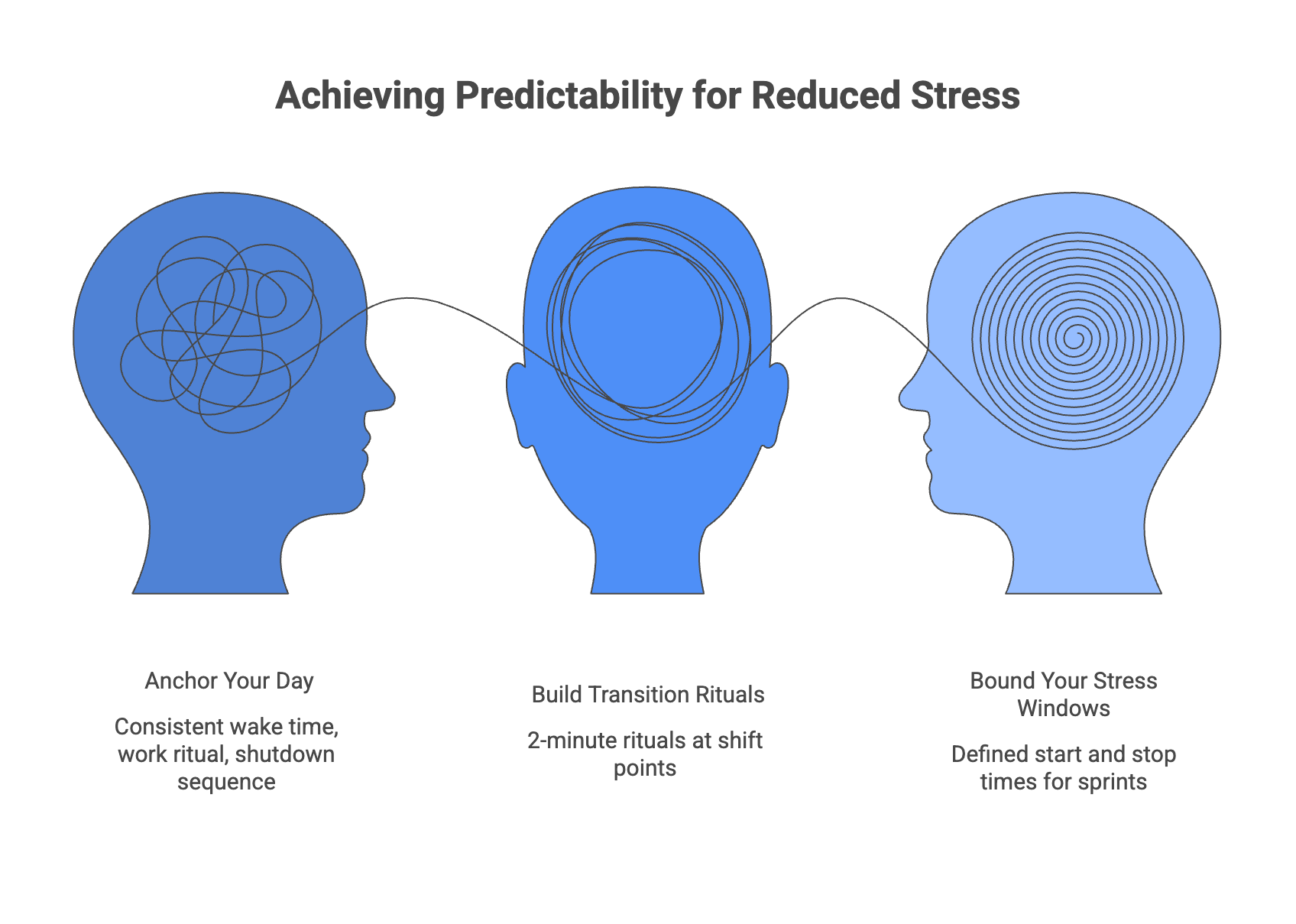
You don’t need to overhaul your life. You need to give your nervous system three things it can count on every day.
Anchor your day to fixed points
Pick three non-negotiable time anchors: a consistent wake time, a defined start-of-work ritual, and a clear shutdown sequence. Stress researchers emphasize that stable key elements (sleep window, start/stop times, basic self-care) reduce uncertainty load and lower chronic stress. Everything else can flex. These three don’t.
Build transition rituals
The highest-stress moments in a workday aren’t the hard tasks. They’re the transitions between tasks, when your brain doesn’t know what mode to be in. Create a 2-minute ritual at each shift point: before deep work, after meetings, at end of day. Somatic therapists call these “bottom-up” regulation cues, repeated body-based and environmental signals that retrain your nervous system’s baseline.
Bound your stress windows
Acute stress with a clear endpoint is not the enemy. Unbounded stress is. When you face a high-pressure sprint, give it a defined start and stop time. Research on stress physiology shows that uncertainty changes brain computations, but when your system learns that arousal reliably rises and falls, it recovers faster and tolerates more.
One important nuance
Predictability is powerful, but it’s not the whole picture. Very high workloads, sleep deprivation, and physical overtraining still elevate stress hormones even with perfect schedules. And short, time-limited stress with clear resolution can actually promote learning and resilience.
The strongest, most evidence-aligned statement is this: chronic, uncontrollable unpredictability is especially toxic, and making your days more predictable is a powerful, underused lever for nervous system regulation.
Individual differences matter too. Personality traits, prior experiences, and current support systems change how much unpredictability a given person can absorb before things start to unravel.
Your nervous system isn’t asking for less work. It’s asking for fewer surprises.
Three fixed daily anchors. Transition rituals at every shift point. Stress windows with clear endings. That’s it. That’s the playbook.
Start with one. Pick the anchor that would change your mornings, your transitions, or your shutdown routine, and lock it in for one week.
Your brain already knows what to do with predictability. Give it the chance.
BONUS READING
The stress of uncertainty: how unpredictable environments affect workplace wellbeing
Occupational health research showing that ambiguous expectations predict more distress than heavy but predictable workloads.
When routines break: daily structure and mental health outcomes
A 2025 study finding that routine inconsistency predicts higher anxiety and depression, with disruptions leading to more persistent symptoms over time.
This is amazing!! Being a nervous wreck my entire life, I can see that my brain is stuck always scanning for the next 'what is wrong now?' And unknowns!!! This is beyond helpful!!!! For me, it will be life changing! Thank you for all your research and insights!!!
You are absulately right