

Why smart people stop thinking too soon
The need to feel certain quietly wrecks good decisions. Here's the fix.

New here? The habit below is week one of HI-OS, a 12-week system for training how you think. Founding cohort starts June 8.
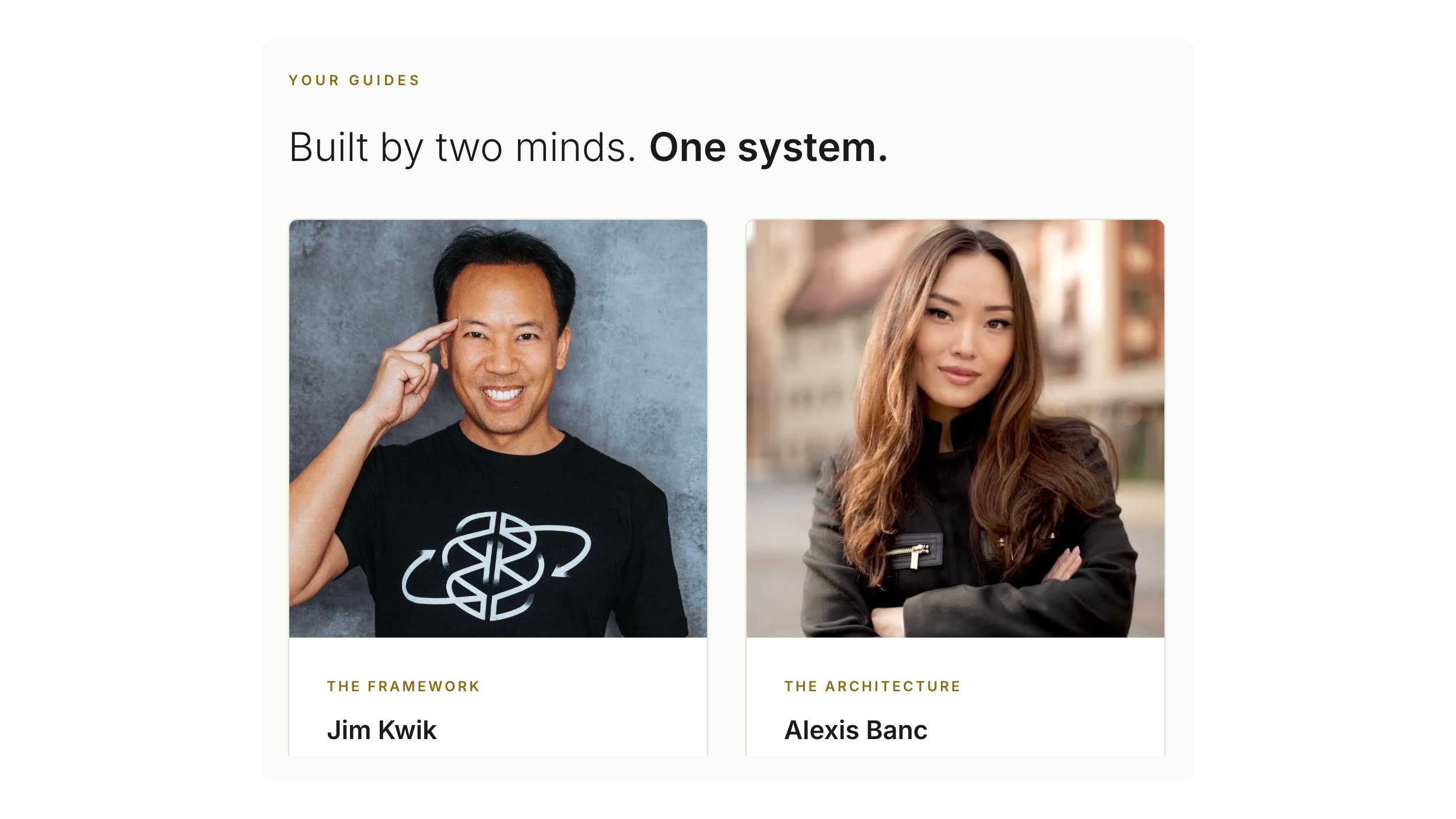
Hi Kwik Brain,
You’ll learn why your brain locks onto the first answer that feels right, when that instinct saves you, when it quietly wrecks your judgment, and a ten-minute habit that retrains it.
A machine can answer almost any question you hand it. So the question itself is the only part of the job still yours. And your brain is bad at the part that’s left.
What your brain does in the first six seconds
An unsolved problem feels bad. Your brain treats uncertainty as something to shut down fast, so it grabs the first explanation that ends the discomfort.
Researchers named this seize and freeze: the mind seizes the first frame that restores certainty, then freezes on it, defending that frame against better information later. Time pressure, fatigue, and heavy load all make it worse, pushing you to overweight whatever you saw first.
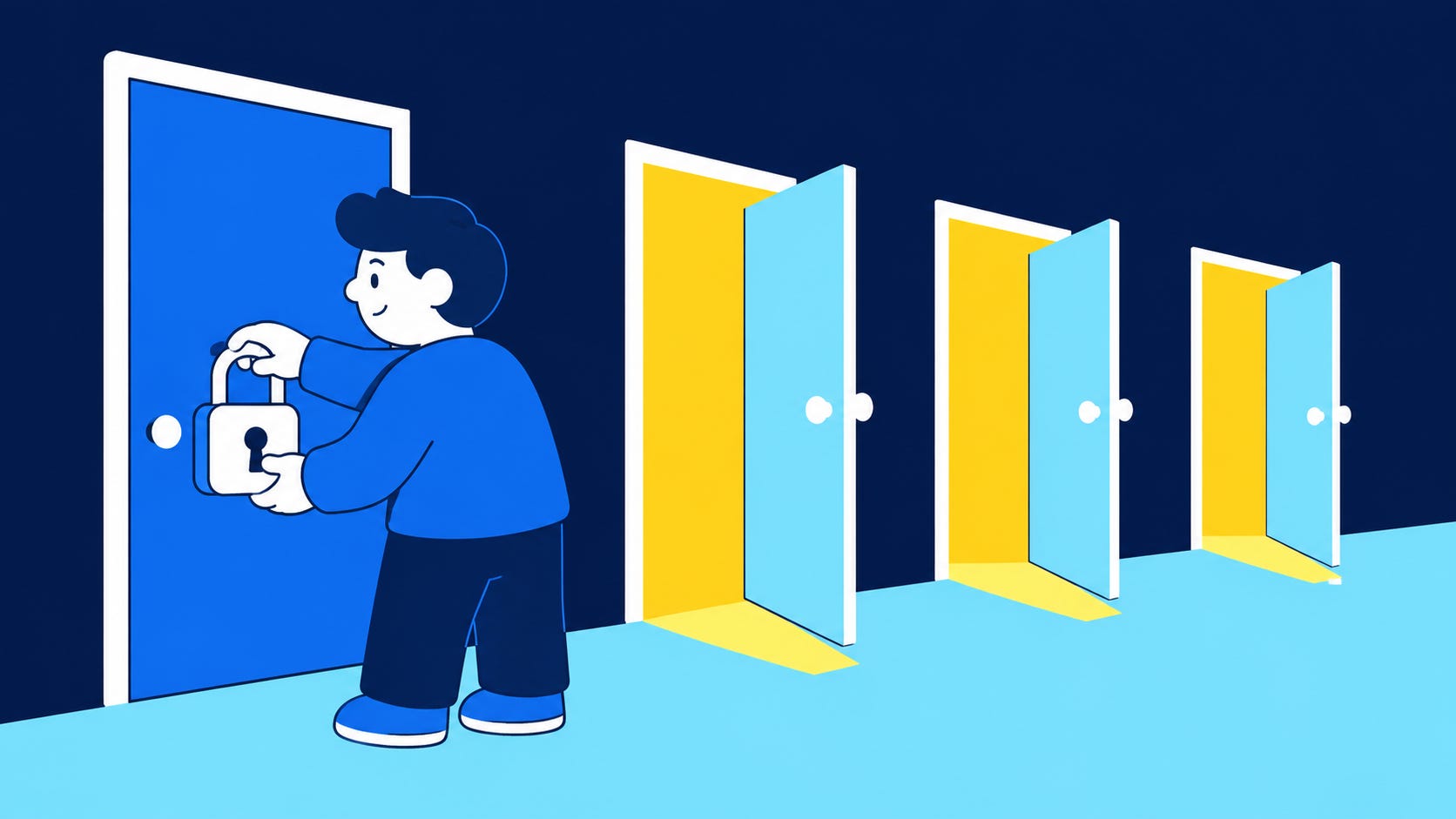
What your brain is really after
Experiments on closure show that people who crave it don’t just decide faster. They grab whatever rule or anchor sits in front of them and commit, right or wrong.
The brain wants a sure answer, not a quick one. So it locks onto the first frame solid enough to end the doubt: an inherited label, a pattern from a different situation, a clean answer from an AI.
Sometimes closing fast is right
The instinct isn’t a flaw. Expert firefighters make most decisions in under a minute, first option usually workable, no alternatives weighed. That’s pattern recognition earned over years, not sloppiness.
A good-enough answer often beats a perfect one that arrives too late, which is why the instinct stuck around. The trap is its counterfeit: closure that feels like expertise but isn’t. A first-time call. An unfamiliar problem.
Where it quietly costs you
You rarely notice the door closing.
In your own work, familiar patterns hide the better solution. Psychologists call it functional fixedness: see a problem one way, and your mind fights to see it any other.
In high-stakes calls, doctors name it directly. Premature closure, locking a diagnosis before testing it, is among the most common errors in clinical reasoning. Once a label hits the chart, everyone downstream inherits the frozen frame.
In teams, groups high in the need for closure conform faster and shut down dissent. They stop improving, because the discussion ends before the good ideas arrive.
Better questions beat faster answers
People who think well spend longer on the question. A long-term study of art students found those who spent more time deciding what problem to work on, not how to solve it, produced more original work and built better careers. The edge was framing, not solving.
That matters more now. When a machine answers any clear question in seconds, the value moves to whether you asked the right one.
Your ten-minute rep
Run this on one problem you’re stuck on today.
Two minutes. Write the problem in a sentence, and how you’d know it was solved.
Four minutes. Write at least twenty questions about it. Only questions. Answer none.
Three minutes. Circle the two that make the problem look different than it did ten minutes ago. Pick one to chase this week.
This trims the question burst, built by an MIT researcher who reports that around 80% of the time, one question reframes the whole problem. The hard rule is the one that works: no answers during the burst. Answering is how the brain freezes. Holding it off keeps the frame open long enough for a better question to surface.
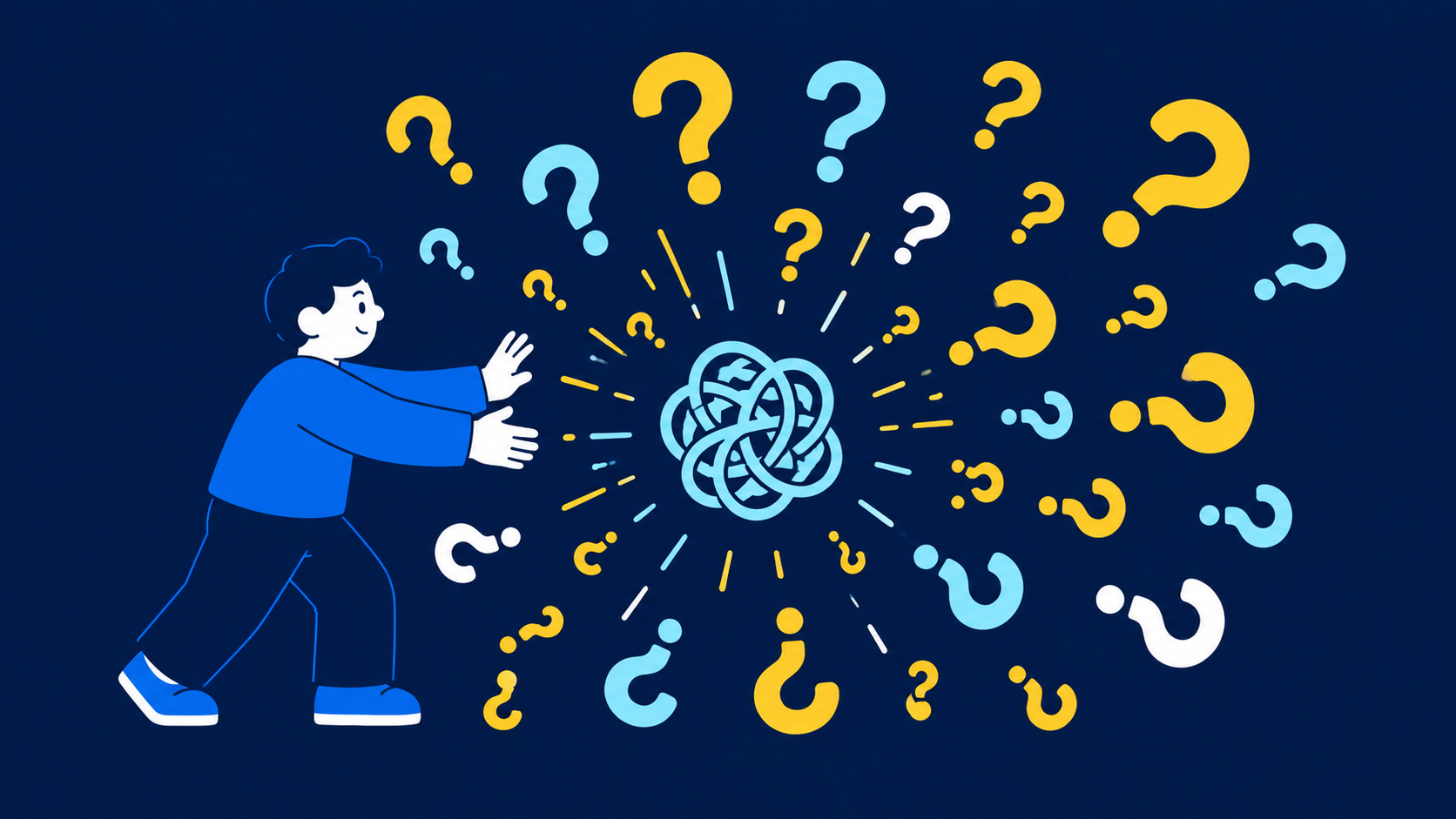
One rep isn’t the skill
Tomorrow you’ll open the same tools and get a confident answer to a question you never questioned.
That’s the risk. Not a wrong answer. A perfect answer to the wrong question, fast enough to feel like progress.
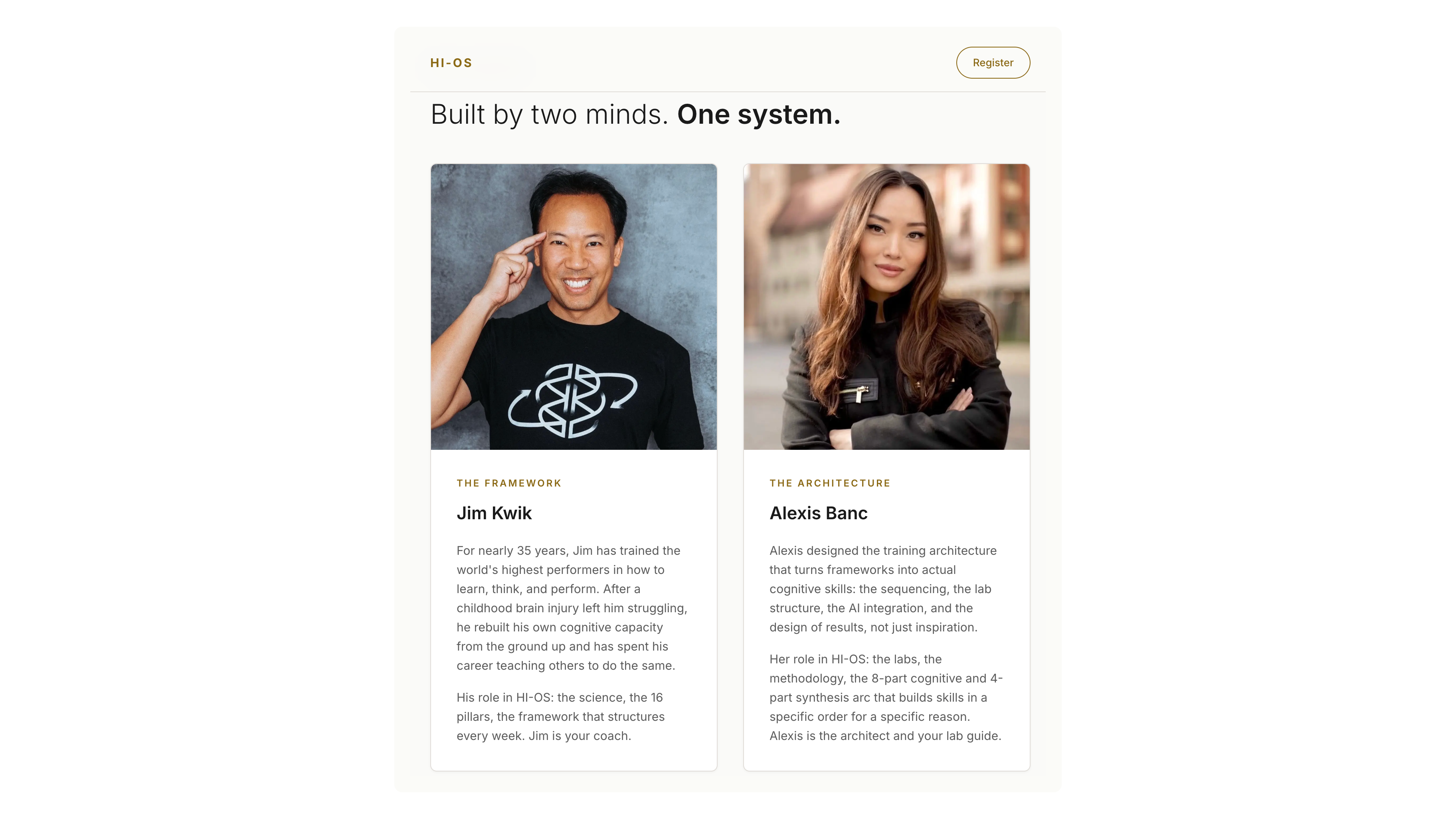
One burst is one rep. The habit builds the way every skill does, through reps, run with the tool already open on your screen. That’s week one of HI-OS, founding cohort capped at 75 seats.
Smart people have a higher rate of pattern recognition than others. They see a pattern, for example, thinking of a great idea, and due to confirmation bias and other types of cognitive biases, they stop there, but smart people aren't creative.
Although the idea or solution might be great, it's not the only one, and it's creative people that don't stop there at a great idea.
They continue until they have a revolutionary idea.
I gotta say, Alexis is one gorgeous babe!